
The best case is the one never filed.
The most valuable defense work often happens before charges exist — while interviews, subpoenas, and charging decisions are still in motion.
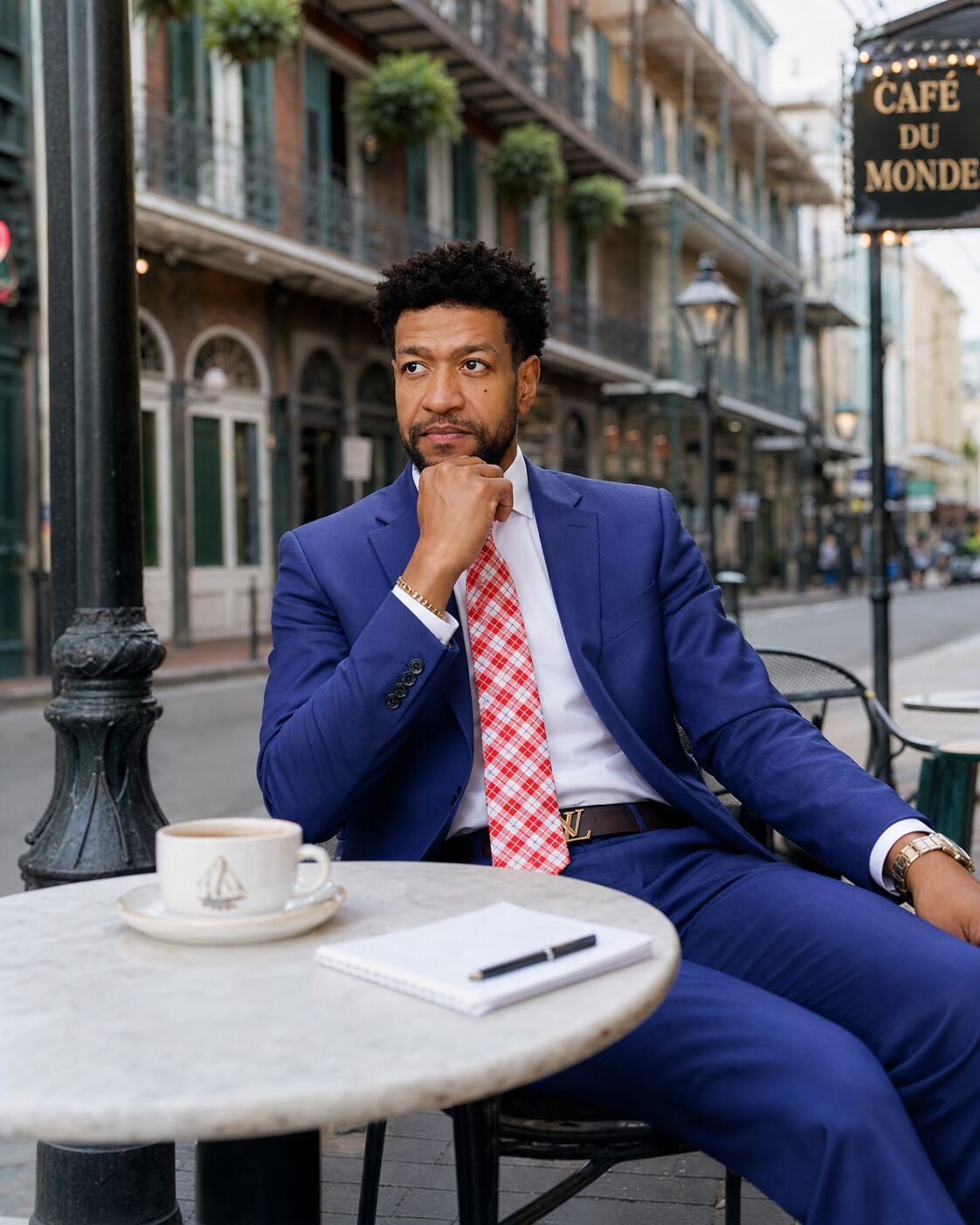 Pre-Charge Counsel
Café du Monde
Pre-Charge Counsel
Café du Monde
Before charges, everything is still moving. That is the point.
Once an indictment or bill of information is filed, positions harden: a prosecutor has committed, a court date exists, a record has begun. Before that moment, there is room — to correct a misimpression, to demonstrate weakness in a theory, to negotiate scope, or simply to keep a client from volunteering the government's case for it.
Pre-charge work is quiet by design. It rarely makes headlines, because its best outcome is silence: no charge, no arrest, no story.
If you have received a target letter, a grand jury subpoena, a detective’s voicemail, or a knock on the door — the window is open right now. It will not stay open.
Four quiet moves before the loud part.
Assessment.
What is being investigated, by whom, and where you likely stand in it — witness, subject, or target. The strategy differs radically by answer.
Communication control.
All contact with investigators routes through counsel. Interviews are declined, limited, or prepared for — never stumbled into.
Preservation.
Documents, messages, and recollections get preserved properly. Destroying or “tidying” anything during an investigation creates new crimes — counsel prevents those mistakes.
Advocacy before the decision.
Where engagement helps, counsel presents the exculpatory picture to agents or prosecutors directly — before the charging decision, while it can still change.
Asked in nearly every first call.
They told me I'm just a witness. Do I still need a lawyer?
Status can change between the first phone call and the grand jury room, and witnesses talk themselves into subjects regularly. Counsel can confirm your status, prepare any testimony, and watch for the moment the ground shifts.
Won't hiring a lawyer make me look guilty?
Investigators expect counsel; prosecutors deal with counsel every day. What actually damages people is the uncounseled interview — inconsistencies, memory gaps, and nervous guesses, all recorded. Representation reads as prudence, because it is.
What should I do with texts, emails, or files related to the matter?
Preserve them exactly as they are. Deleting anything — even innocently — can become an obstruction allegation that outlives the original question. Counsel will tell you what to gather and how.
Talk through the case before the next deadline does the talking.
Calls and texts are answered day and night. Share only what you are comfortable sharing — the first conversation is about timing, exposure, and what has to happen next.
504-247-6411